
H2, RNG and Methanol 101
Three clean fuels that can be made using waste streams of biomass and electricity. This page explains what each one is, what it replaces, and what it means for your community. Every term is spelled out in plain words.

First, what is a clean fuel?
A clean fuel does the same job as the fuel you use now, but it is made from waste instead of drilled oil or gas, so it puts far less carbon in the air. It is a swap, not a sacrifice.
A liquid fuel made from biomass. Pours and stores much like the diesel used now.
The same gas already piped into most towns, made from waste rather than drilled.
A gas made from water and clean electricity. Gives off only water vapour when used.
The three fuels, side by side
What each one replaces, what it does well, and what it cannot do.
Market figures are directional and should be confirmed before publication.
Methanol is the simplest alcohol. It is liquid at room temperature, so it pours, stores, and ships much like diesel. “Bio” just means it was made from biomass instead of fossil gas.
Today it fuels a growing fleet of cargo ships, runs generators in place of diesel, and is a building block for everyday products. Newer uses: Sustainable Aviation Fuel, and methanol as a hydrogen carrier.
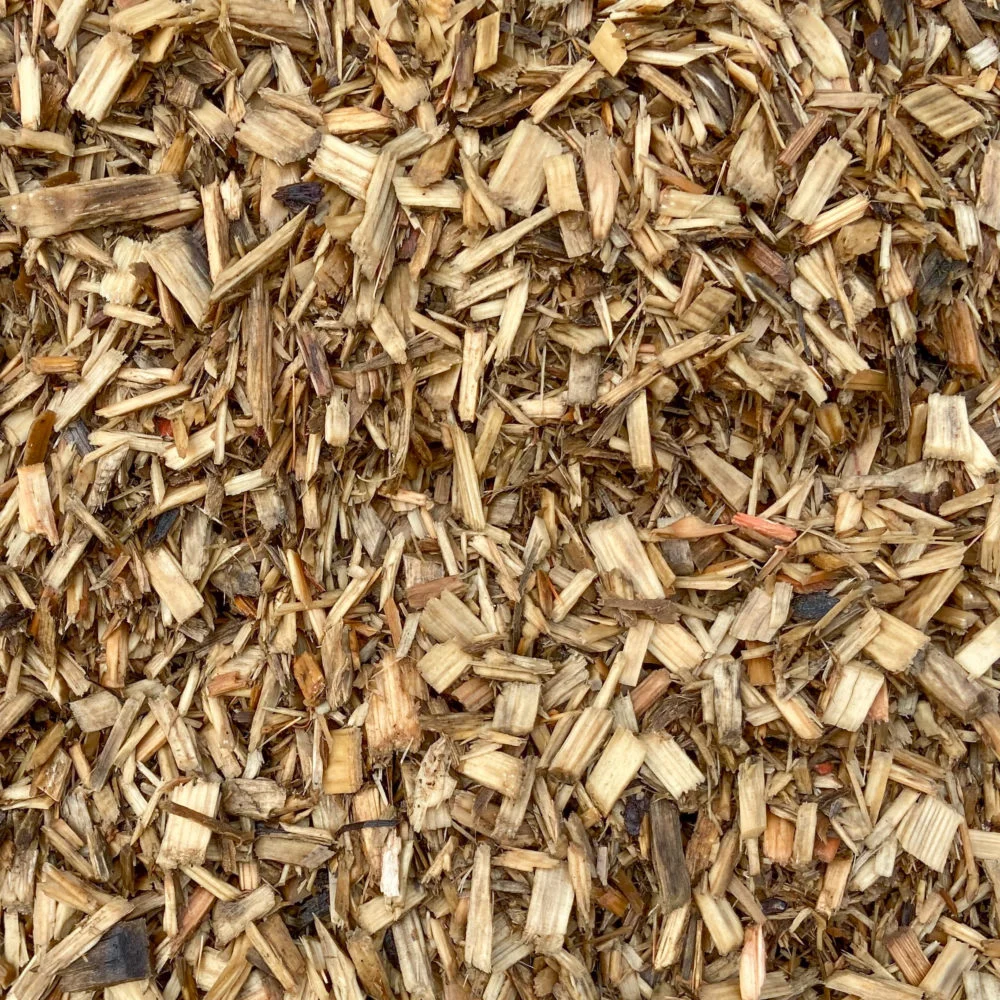
Waste wood is heated in a gasifier with almost no oxygen, so it turns to gas instead of burning. There are other pathways such as pyrolysis that achieve the same result. That gas is cleaned, then a catalyst synthesizes it into liquid methanol.
It is flammable and must not be swallowed, so it stays in sealed tanks and is handled by trained crews. The upside: if it spills, it dissolves in water and breaks down quickly, unlike a heavy diesel slick.
Global green methanol market, 2025 to 2030. That is about 34% growth a year, or more than four times bigger in five years.
Hydrogen is the smallest and most common element in the universe. Used in a fuel cell or an engine, it gives off only water vapour. No smoke, no carbon.
Today it fuels trucks and buses, powers remote and backup electricity generation, and is used in refining and fertilizer. Next: firming up renewable power, and helping make clean derivative fuels.
Renewable electricity is passed through water inside an electrolyzer. That splits the water into hydrogen and oxygen. The hydrogen is stably stored until it is needed.
Hydrogen is lighter than air, so a leak floats up and disperses instead of pooling on the ground like spilled fuel. It is non-toxic, and industry has moved it safely for decades using sensors and automatic shut-offs.
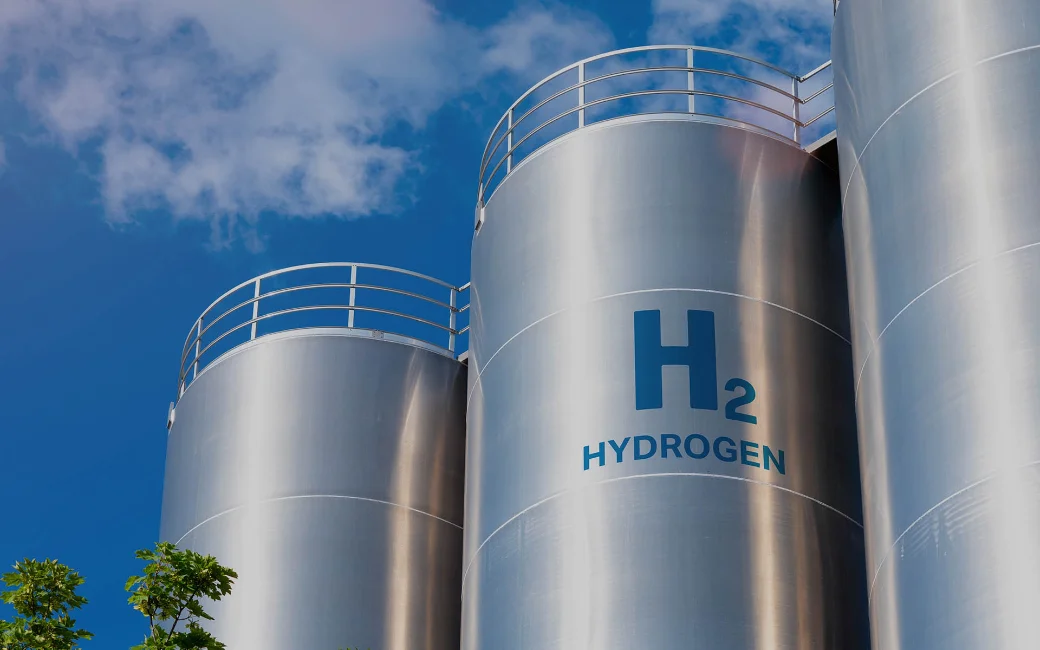
Canada is counting on hydrogen to cut emissions from trucking and heavy industry, with public and private investment growing each year. The global growth of hydrogen has been strong and it is often referred to as the fuel of the future.
RNG is the same gas that already heats homes, but it is made from wood waste or organic waste rather than drilled from the ground. It flows through the pipes that are already there, or can be liquified for transport.
Today it heats buildings and runs mills and industry through the existing gas grid, or peak power generation. Next: a growing share of the gas every utility customer receives, and fuel for trucking fleets.
A similar gasification step to the one used for methanol makes the gas. It is then cleaned and upgraded until it matches pipeline standards, and injected into the grid, liquified and transported, or used on site.
It is chemically the same as the natural gas most homes use, so it carries the same well-known safeguards: an added smell so leaks can be detected, shut-off valves, and utility inspection.
No new pipes. No new furnace. Essentially a drop-in fuel, replacing the fossil natural gas already in use. It is just made from waste instead of drilled.
BC utilities are buying steadily more renewable gas to meet provincial targets, which creates long term demand for community projects.
How much cleaner than diesel?
Each bar is the carbon released per unit of energy, counting everything from making the fuel to burning it. Shorter is cleaner.
Illustrative values, checked project by project. Waste wood scores low because that carbon would have been released anyway when the pile was burned or left to rot.
Fewer slash piles burning in the valley each season.
Fuel made close to home instead of trucked or barged.
Less reliance on fossil fuel and global market price volatility.
What it means in dollars
Instead of paying for economic benefits that go to fossil producers and supply chains, the rewards stay within on top of the environmental benefits.